
Clinical Psychology
Clinical Psychologist in Lahore: When to Seek Therapy and What to Expect
11 September 202611 min read
Clinical Psychologist

Finding the right clinical psychologist in Lahore can be an important step when emotional difficulties begin affecting your relationships, work, sleep, confidence, decision-making, or overall quality of life.
People seek psychological support for many different reasons. Some are struggling with persistent anxiety or low mood. Others are trying to understand relationship patterns, recover from difficult experiences, cope with grief, manage overwhelming emotions, or simply understand themselves more clearly.
You do not need to wait until a problem becomes unbearable before considering therapy.
Psychological therapy can provide a confidential space to explore what is happening, understand patterns that may be contributing to distress, and develop healthier ways of responding to difficult thoughts, emotions, experiences, and relationships.
If you are looking for a psychologist or therapist in Lahore, understanding what clinical psychology involves can help you make a more informed decision.
What Does a Clinical Psychologist Do?
A clinical psychologist works with emotional, psychological, behavioural, interpersonal, and mental-health concerns.
Therapy is not simply a conversation where someone gives you advice.
A psychologist works collaboratively with you to understand your concerns, identify patterns, clarify goals, and explore approaches that may help you respond differently to the difficulties you are experiencing.
People may seek psychological support for concerns such as anxiety, depression, trauma-related experiences, relationship difficulties, grief and loss, emotional distress, low self-confidence, unhealthy coping patterns, or periods of significant personal change.
The exact therapeutic process depends on the person.
Two people may both experience anxiety, for example, while having very different histories, triggers, coping strategies, relationships, and treatment needs.
For that reason, psychological therapy should be adapted to the individual rather than applying exactly the same approach to every person.
When Should You Consider Seeing a Psychologist?
There is no single point at which someone suddenly becomes eligible for therapy.
A useful question is whether the difficulty is beginning to interfere with the way you want to live your life.
You may benefit from speaking with a psychologist if emotional difficulties are beginning to affect your sleep, concentration, work, studies, relationships, physical wellbeing, motivation, or everyday decisions.
Sometimes the signs are obvious.
You may be experiencing frequent panic, intense sadness, relationship conflict, emotional exhaustion, or distress following a difficult experience.
At other times, the signs are more subtle.
Perhaps you continue functioning normally but find yourself constantly overthinking.
You may repeatedly worry about what other people think of you.
You may struggle to trust people even when you want close relationships.
You may notice that the same conflicts happen repeatedly in your relationships.
Or you may simply feel that something is not right but find it difficult to explain exactly what is happening.
These can all be reasonable reasons to seek professional psychological support.
Anxiety and Persistent Overthinking
Anxiety is one of the most common reasons people consider therapy.
Normal worry usually appears in response to a particular challenge and decreases when that situation improves.
Persistent anxiety can feel different.
Your mind may repeatedly predict negative outcomes even when there is no immediate danger. You may overanalyse conversations, seek reassurance, avoid certain situations, struggle to make decisions, or find it difficult to relax.
Anxiety may also appear physically through restlessness, muscle tension, disturbed sleep, stomach discomfort, sweating, trembling, rapid heartbeat, or difficulty concentrating.
Over time, people sometimes begin organizing their lives around avoiding anxiety.
Avoidance can provide temporary relief, but it can also make the feared situation feel increasingly difficult.
Psychological therapy can help you understand these patterns and begin developing different ways of responding to anxious thoughts and situations.
For a more detailed explanation, read: Anxiety Therapy in Lahore: When Worry Becomes More Than Everyday Stress.
Depression and Persistent Low Mood
Everyone experiences difficult days.
Depression, however, can involve a more persistent change in mood, motivation, energy, concentration, sleep, appetite, enjoyment, or hopefulness.
Some people experiencing depression feel intensely sad.
Others describe feeling emotionally numb, disconnected, exhausted, or unable to enjoy things that previously mattered to them.
It can also become difficult to complete everyday responsibilities.
People may begin withdrawing socially or criticizing themselves more harshly.
If low mood is persistent or is affecting your ability to function, speaking with a mental health professional can help you understand what may be contributing to the problem and what type of support may be appropriate.
For more information, read: Depression Therapy in Lahore: Understanding the Signs and When to Seek Help.
Trauma and the Impact of Past Experiences
Difficult experiences do not always remain in the past simply because the event itself has ended.
Trauma can influence how a person responds to safety, relationships, trust, emotions, conflict, uncertainty, and situations that remind them of previous experiences.
Some people experience intrusive memories or nightmares.
Others become emotionally numb or constantly alert.
There may also be avoidance, irritability, difficulty trusting others, strong emotional reactions, or a feeling that the past continues to influence the present.
Trauma-informed therapy recognizes that difficult experiences can affect people in different ways.
The therapeutic process should respect the person’s pace rather than forcing them to discuss experiences before they feel ready.
Ambreen Rashid Khan’s clinical approach incorporates a trauma-informed model together with motivational interviewing techniques, allowing therapy to be adapted to each person’s circumstances, concerns, and goals.
You can learn more in: Trauma Therapy: How Past Experiences Can Affect Your Present Life.
Relationship Difficulties and Couples Therapy
Relationship difficulties can affect emotional wellbeing just as strongly as individual psychological concerns.
Couples may seek therapy because of frequent conflict, communication difficulties, emotional distance, trust concerns, recurring arguments, differences in expectations, or difficulty recovering after painful experiences within the relationship.
The purpose of couples therapy is not simply to decide who is right or wrong.
Instead, therapy can help identify patterns of interaction and understand how each person’s emotions, expectations, needs, communication style, and previous experiences affect the relationship.
Sometimes a couple repeatedly argues about different subjects while the underlying emotional pattern remains the same.
Understanding that pattern can be an important part of making meaningful changes.
Read more in: Couples Therapy: When Is It Time to Seek Relationship Counselling?.
Online Therapy in Pakistan
Psychological support no longer always requires travelling to a clinic.
Online therapy can be particularly useful for people who live outside Lahore, have busy schedules, travel frequently, or prefer speaking from a familiar private environment.
Online sessions should still provide a confidential, structured therapeutic environment.
A stable internet connection, private location, and ability to speak without interruption can make the experience more comfortable and productive.
Some people strongly prefer face-to-face sessions, while others find online therapy easier to integrate into everyday life.
Neither option is automatically better for every person.
The appropriate format depends on your preferences, circumstances, and therapeutic needs.
Read more in: Online Therapy in Pakistan: How Does Online Counselling Work?.
What Happens During the First Therapy Session?
Many people feel nervous before meeting a psychologist for the first time.
You may wonder what you are supposed to say or whether you need to prepare a complete explanation of everything you are experiencing.
You do not.
An initial session normally begins by understanding what has brought you to therapy.
You may discuss your current concerns, relevant experiences, emotional wellbeing, relationships, work or study circumstances, coping strategies, and what you would like to change.
The psychologist may ask questions to understand the situation more clearly.
You can also ask questions about therapy, confidentiality, the psychologist’s approach, session frequency, or anything else that feels important.
The initial meeting also gives you an opportunity to decide whether you feel comfortable working with that psychologist.
Therapy is collaborative.
You should be able to participate in decisions about your goals and the direction of the therapeutic process.
How Long Does a Therapy Session Last?
Standard individual therapy sessions are generally around 50 minutes.
Some situations or therapeutic formats may require longer appointments.
The number and frequency of sessions can also vary considerably.
Some people seek short-term support for a specific issue.
Others benefit from longer-term psychological work involving complex experiences or patterns that developed over many years.
Rather than deciding in advance that everyone requires the same number of sessions, frequency should be considered according to the person’s concerns, needs, goals, and progress.
In-Person Psychological Therapy in Lahore
For people who prefer face-to-face therapy, Ambreen Rashid Khan provides in-person consultations in Shadman 2, Lahore, by appointment.
Being physically present in a therapy room can be helpful for people who prefer having a dedicated environment away from everyday distractions.
For people who cannot attend in person, online psychological sessions are also available.
This allows people elsewhere in Pakistan, as well as those living internationally, to access psychological support without travelling to Lahore.
How to Choose a Psychologist in Lahore
Searching online for a psychologist in Lahore, therapist in Lahore, counselling in Lahore, or clinical psychologist in Lahore can produce many different results.
Rather than relying only on a ranking or advertisement, consider whether the psychologist’s professional approach and areas of work are relevant to your needs.
You may want to consider their clinical focus, therapeutic approach, communication style, confidentiality practices, session format, location, and whether you feel comfortable speaking openly with them.
The therapeutic relationship matters.
A psychologist may have appropriate professional experience, but therapy still needs to feel like an environment where you can communicate honestly and respectfully.
A first consultation is often the best way to evaluate that fit.
For a detailed guide, read: Looking for a Psychologist in Lahore? Here’s How to Choose the Right One.
Is Seeing a Psychologist a Sign That Something Is Seriously Wrong?
Not necessarily.
Therapy is not limited to people experiencing severe psychological difficulties.
Many people seek therapy because they recognize recurring patterns in their lives that they would like to understand or change.
You might want to communicate more effectively.
You may want to understand why certain situations trigger strong emotional reactions.
You may be trying to develop healthier boundaries.
Perhaps you want to process an experience that continues affecting you.
Or you may simply want a structured space for self-reflection and personal growth.
Seeking psychological support can be part of taking your emotional wellbeing seriously rather than waiting until difficulties become overwhelming.
Clinical Psychologist vs Psychiatrist: What Is the Difference?
A clinical psychologist primarily works through psychological assessment and psychotherapy.
A psychiatrist is a medical doctor specializing in mental health and may prescribe medication when clinically appropriate.
Depending on a person’s situation, psychological therapy may be used on its own or alongside psychiatric or other medical care.
If you are unsure which professional is appropriate, an initial consultation can help clarify what type of support may be useful.
Confidentiality in Therapy
Confidentiality is an important part of psychological therapy.
People need to feel that they can discuss sensitive experiences without unnecessary disclosure.
There are, however, professional and legal limits to confidentiality in particular circumstances, including situations involving serious risk of harm or other legally required disclosures.
A psychologist should explain the boundaries of confidentiality at the beginning of therapy so that you understand how your information will be handled.
Finding a Clinical Psychologist in Lahore
If you are currently searching for a clinical psychologist in Lahore, you do not need to understand everything about your situation before making contact.
You can begin simply by explaining what has been happening, how it is affecting you, and what you hope may change.
Ambreen Rashid Khan provides psychological support for adults experiencing emotional, behavioural, trauma-related, and relationship concerns.
Her approach incorporates trauma-informed care and motivational interviewing, with therapy tailored according to each person’s individual circumstances and goals.
Appointments are available in Shadman 2, Lahore, with online sessions available across Pakistan and internationally.
If you are considering therapy, you can arrange an initial consultation to discuss your concerns and determine appropriate next steps.
Book a Psychological Consultation
This article provides general educational information and is not a substitute for individualized psychological or medical assessment. If you believe you or someone else is in immediate danger, contact appropriate emergency services or urgent medical support
About the Author
Ambreen Rashid Khan
Clinical Psychologist
Ambreen Rashid Khan is a Clinical Psychologist based in Lahore, providing psychological support for adults experiencing emotional, behavioural, trauma-related and relationship concerns. Her approach incorporates trauma-informed care and motivational interviewing, with therapy tailored to each person's circumstances and goals.
Learn more about AmbreenRelated Articles

Looking for a Psychologist in Lahore? Here Is How to Choose the Right One
Looking for a psychologist in Lahore? Learn what to consider when choosing a clinical psychologist, what therapy involves, and when to seek professional support.
Read Article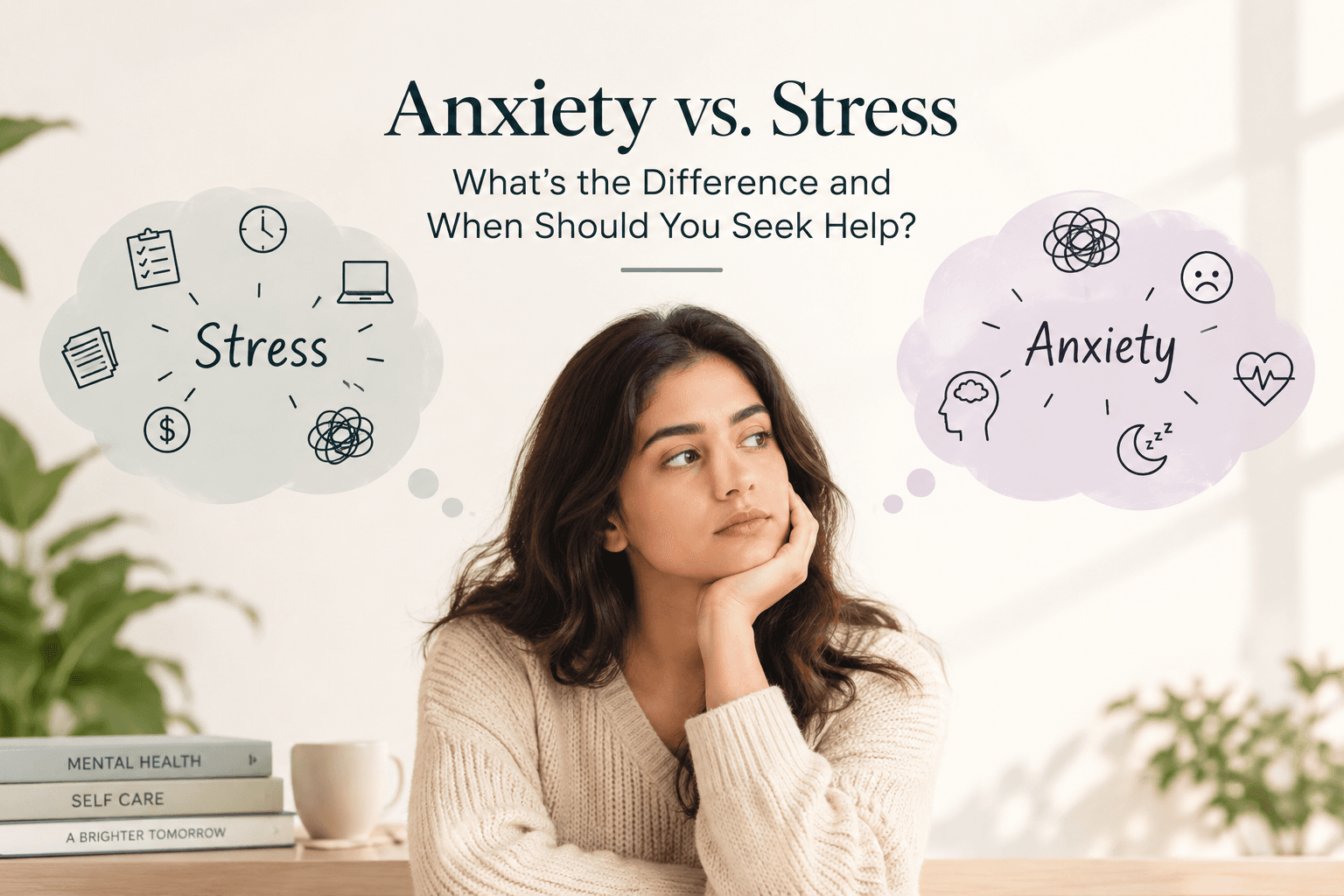
Anxiety vs. Stress: What's the Difference and When Should You Seek Help?
Learn the difference between stress and anxiety, common symptoms, and when speaking with a psychologist may be helpful.
Read Article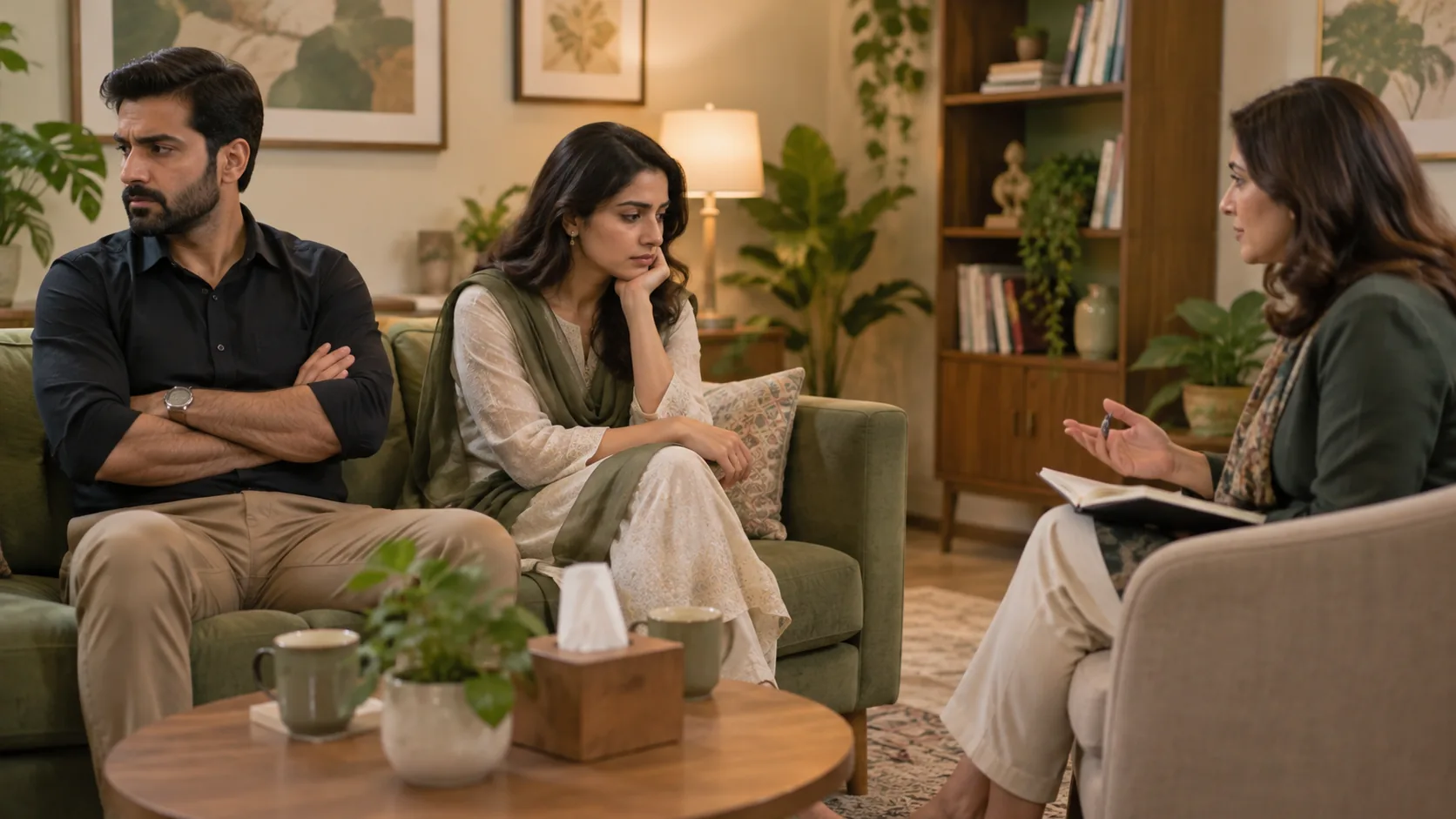
Couples Therapy in Lahore: When Is It Time to Seek Relationship Counselling?
Considering couples therapy in Lahore? Learn when relationship counselling may help with communication, recurring arguments, trust, distance, and relationship difficulties.
Read Article
Need support?
Book a Session