Trauma
Trauma Therapy in Lahore: How Past Experiences Can Affect Your Present Life
4 min read
Clinical Psychologist

A difficult experience can end while its emotional effects continue.
Sometimes people understand immediately that an experience has affected them deeply. Other times, the connection only becomes clear years later.
Someone may struggle with relationships, trust, anger, anxiety, emotional numbness, intrusive memories, or a constant sense of danger without initially recognizing how earlier experiences are influencing their present life.
For people searching for trauma therapy in Lahore, understanding what trauma can look like is an important place to begin.
What Is Psychological Trauma?
Trauma can develop when an experience overwhelms a person's ability to cope or creates a profound sense of fear, helplessness, violation, or loss of safety.
People sometimes assume that an event must fit a particular definition before they are "allowed" to be affected by it.
Human responses are more individual than that.
Two people can experience similar circumstances while responding very differently. What matters in therapy is not only what happened, but how the experience affected you.
How Trauma Can Show Up Later
Trauma can affect thoughts, emotions, physical reactions, relationships, and behaviour.
You may become extremely alert to potential danger.
A sound, smell, place, conversation, date, or situation might trigger an unexpectedly strong emotional response.
Some people experience distressing memories or nightmares. Others try hard not to think about what happened.
You may also notice difficulties with trust or emotional closeness.
If being vulnerable has previously resulted in pain, part of you may learn that keeping distance feels safer.
These reactions can make sense when understood in the context in which they developed.
Trauma and Relationships
Earlier experiences can influence present relationships in subtle ways.
Someone who experienced abandonment may become highly anxious when a partner becomes distant. Someone whose trust was repeatedly violated may constantly look for evidence that another person is being dishonest.
Others respond by avoiding closeness altogether.
These behaviours may appear irrational from the outside, but they can often be understood as attempts to protect yourself from experiencing similar pain again.
Therapy can help identify these patterns and determine whether strategies that once protected you are now creating difficulties.
What Is PTSD?
Post-traumatic stress disorder, commonly referred to as PTSD, is a specific mental health condition associated with exposure to trauma.
People can experience trauma-related distress without necessarily meeting criteria for PTSD.
This distinction is one reason professional assessment is important.
If you are experiencing intrusive memories, persistent avoidance, major changes in mood or thinking, or a continuing sense of threat after a traumatic experience, a qualified mental health professional can help determine what may be happening.
What Is Trauma-Informed Therapy?
Trauma-informed therapy recognizes that a person's previous experiences may affect how safe they feel in the present.
This approach emphasizes psychological safety, collaboration, sensitivity, and respect for the individual's pace.
Trauma therapy should not simply involve forcing someone to retell painful experiences before they are prepared to do so.
A strong therapeutic relationship provides an environment in which difficult experiences can be explored while respecting boundaries and readiness.
Does Healing Mean Forgetting What Happened?
No.
The goal of trauma therapy is not necessarily to erase a memory.
Painful experiences are part of a person's history.
The aim may instead involve reducing the extent to which those experiences control present emotions, choices, relationships, and identity.
Healing can mean remembering an experience without feeling as though you are still living inside it.
It can also involve rebuilding trust, strengthening emotional regulation, understanding triggers, changing protective patterns that are no longer helpful, and reconnecting with important areas of life.
Finding a Trauma Psychologist in Lahore
If you are looking for a trauma psychologist in Lahore or support for PTSD, consider whether the psychologist has experience with trauma-informed psychological care.
Ambreen Rashid Khan's therapeutic approach includes a trauma-informed model and individualized treatment planning.
Therapy should recognize that there is no universal timeline for processing painful experiences. The appropriate pace depends on the individual.
If something from your past continues influencing your emotions, relationships, or daily life, psychological therapy may provide a structured environment in which to begin understanding those patterns.
Ready to take the next step?
Visit www.ambreenrashidkhan.com to learn about in-person and online psychological therapy options.
This article provides general educational information and should not be used to diagnose PTSD or any other psychological condition.
About the Author
Ambreen Rashid Khan
Clinical Psychologist
Ambreen Rashid Khan is a Clinical Psychologist based in Lahore, providing psychological support for adults experiencing emotional, behavioural, trauma-related and relationship concerns. Her approach incorporates trauma-informed care and motivational interviewing, with therapy tailored to each person's circumstances and goals.
Learn more about AmbreenRelated Articles

Clinical Psychologist in Lahore: When to Seek Therapy and What to Expect
Looking for a clinical psychologist in Lahore? Learn when therapy may help, what to expect, and how to choose support for anxiety, trauma and relationships.
Read Article
Looking for a Psychologist in Lahore? Here Is How to Choose the Right One
Looking for a psychologist in Lahore? Learn what to consider when choosing a clinical psychologist, what therapy involves, and when to seek professional support.
Read Article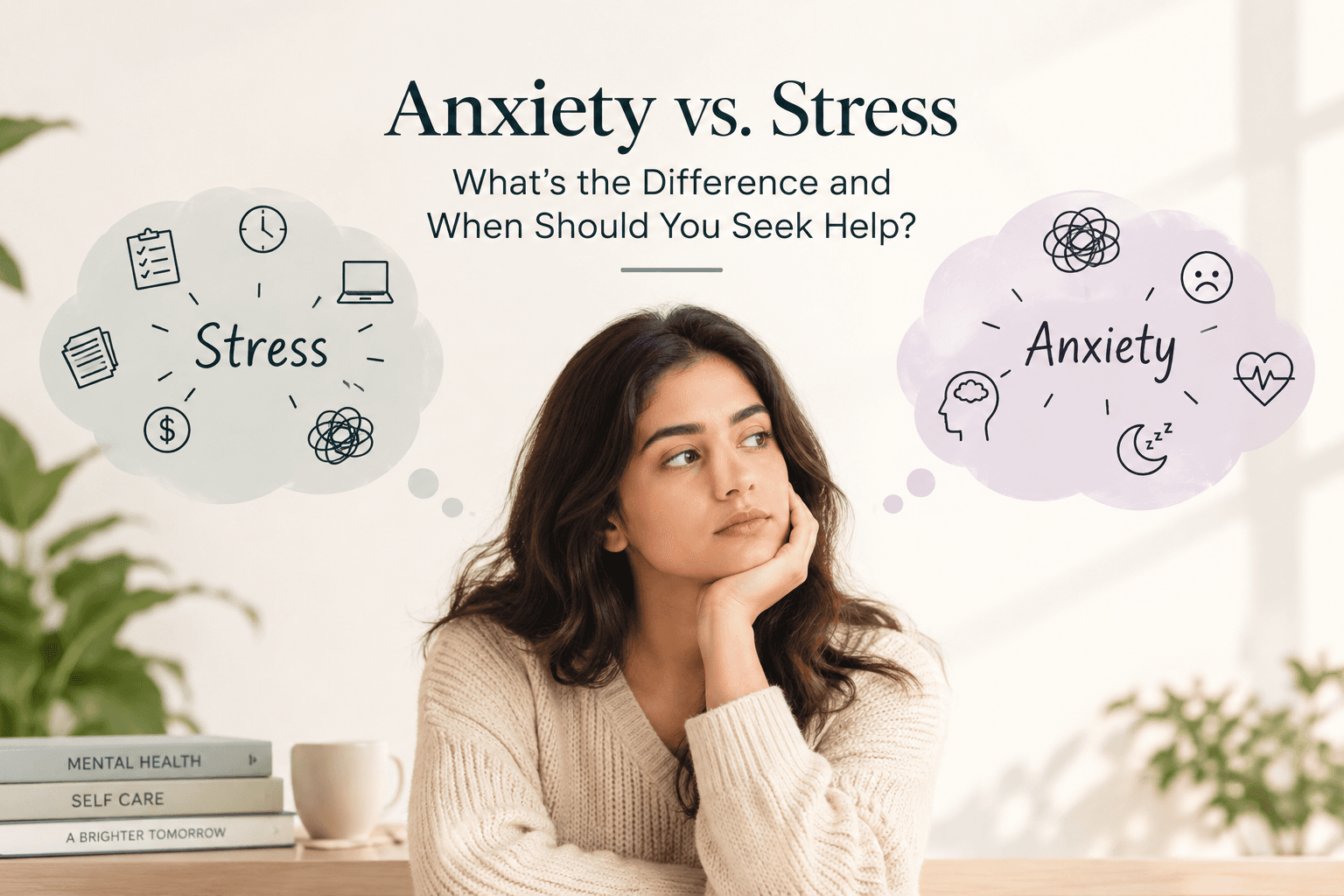
Anxiety vs. Stress: What's the Difference and When Should You Seek Help?
Learn the difference between stress and anxiety, common symptoms, and when speaking with a psychologist may be helpful.
Read Article
Need support?
Book a Session